
Finding Biochar and Terra Preta in the Peruvian Andes; A tale of adventure from Josiah Hunt.
I am a biochar practitioner, a biocharista; it is my career and has been since 2008. Recently I went to Peru. I didn't go specifically in search of biochar and Terra Preta like soils, yet much to my excitement, that is what I found.
On a mountaintop in Peru, surrounded by steep valleys cut by rivers that later become the Amazon River, are the ruins of the village of Kuelap. And this is where I found black Terra Preta soils—almost by accident. Kuelap was the citadel of the Chachapoyas, a fierce tribe who claim with great pride to be the only group not conquered by the Incas.

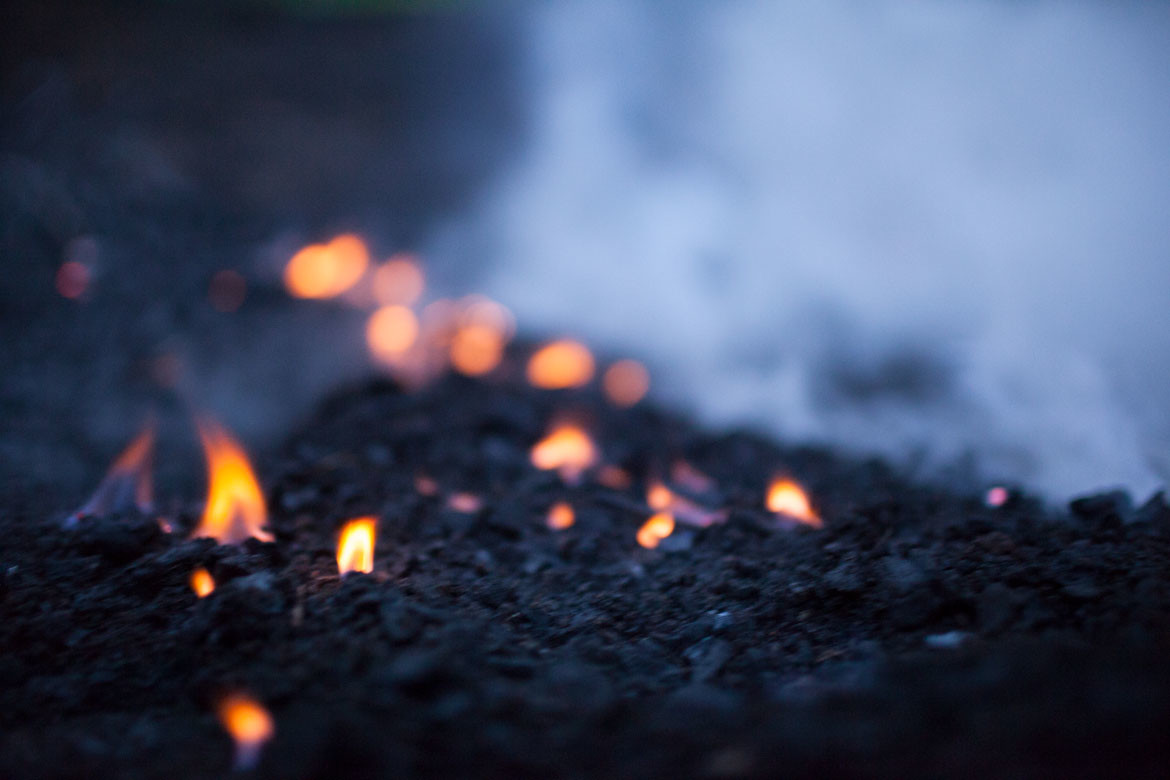
I had been in the region for a few days, first in Leimebamba, a timeless village that serves as a hub for the region. While eating breakfast, browsing my travel book for travel ideas, I noticed a courtyard garden and was invited in. The garden's soil was black with fresh charcoal. My plans for the day changed. I began to tour the gardens of willing village residents. Every garden I saw had charcoal in the soil; some with large amounts. When I inquired, the responses seemed to be somewhat curious, as if, "where else would it go?" It reminded me of the American understanding of why a sneeze rarely ever goes without a "bless you", it's just what we do—it is our culture.

The footpath to get to Kuelap is a rugged trail five miles straight up a mountain. When I arrived at the village near the peak I was met with the smell of fresh baked bread. It was a family's residence and they were baking for their community. I was invited in. The bread, made from grains grown in their farms, cooked in their wood oven, and shared with a smile, was the best I've ever had. The leftover charcoal went to the soil, and apparently not by accident.

After my stop in the village, I kept walking to the top of the peak to the ancient village ruins. When I finally arrived, I was granted a gift that perhaps only a soil geek would find interesting—a freshly revealed soil profile at the base of the ruins. The top soil layer was dark with charcoal. Upon further inspection I found pottery shards and shells at depth in the soil showing evidence of cultivation.

In one particular place, across from a small hut, I found both fresh charcoal and ancient pottery side by side in the "Terra Preta" topsoil.
Why tell this story? One, to highlight to our biochar community that we're among good company in our soil management practices. And two, I wanted to share the exuberant feeling of choosing to go on my own, rather than the guided tour, and the amazing discoveries that can happen on that path.

On this trip, I observed fire, food, farming, and culture intertwined in an intricate balance. Peru still retains strong connections to that past and I wanted to see if I could hear a few echoes of that. I did, though I still find it difficult to express that understanding in words.
After I got home, I made a short biochar film from the pictures I took: One Monday…Peru!