
After much work, this analysis of the Biochar Carbon Credit Market potential for Western US has been published and it weighs in a hefty 44 pages! It was produced via collaborative efforts of folks from Blue Forest Conservation, University of California, Berkeley, Pacific Biochar, and Climate Action Reserve. The work was supported in part by the Doris Duke Charitable Foundation and the U.S. Forest Service Wood Innovation Program.
Biochar Carbon Credit Market Analysis
Examining the potential for coupled biochar and carbon credit production from wildfire fuel reduction projects in the Western U.S.
Authors: Micah Elias, UC Berkeley and Blue Forest Conservation · Josiah Hunt, Pacific Biochar · Jon Remucal, Climate Action Reserve · Phil Saksa, Blue Forest Conservation · Daniel L. Sanchez, UC Berkeley
Link to full PDF – Biochar Carbon Credit Analysis – BF Reports 2022
Excerpt from Executive Summary:
This report evaluates the potential to utilize low-value or non-merchantable woody biomass generated from forest thinning and restoration projects to jointly produce biochar products and carbon credits. While biochar can be produced from many feedstocks, biochar produced from woody biomass has the potential to contribute to much-needed forest restoration throughout the Western U.S. while providing a source of carbon credits perceived as high quality by carbon offset purchasers.
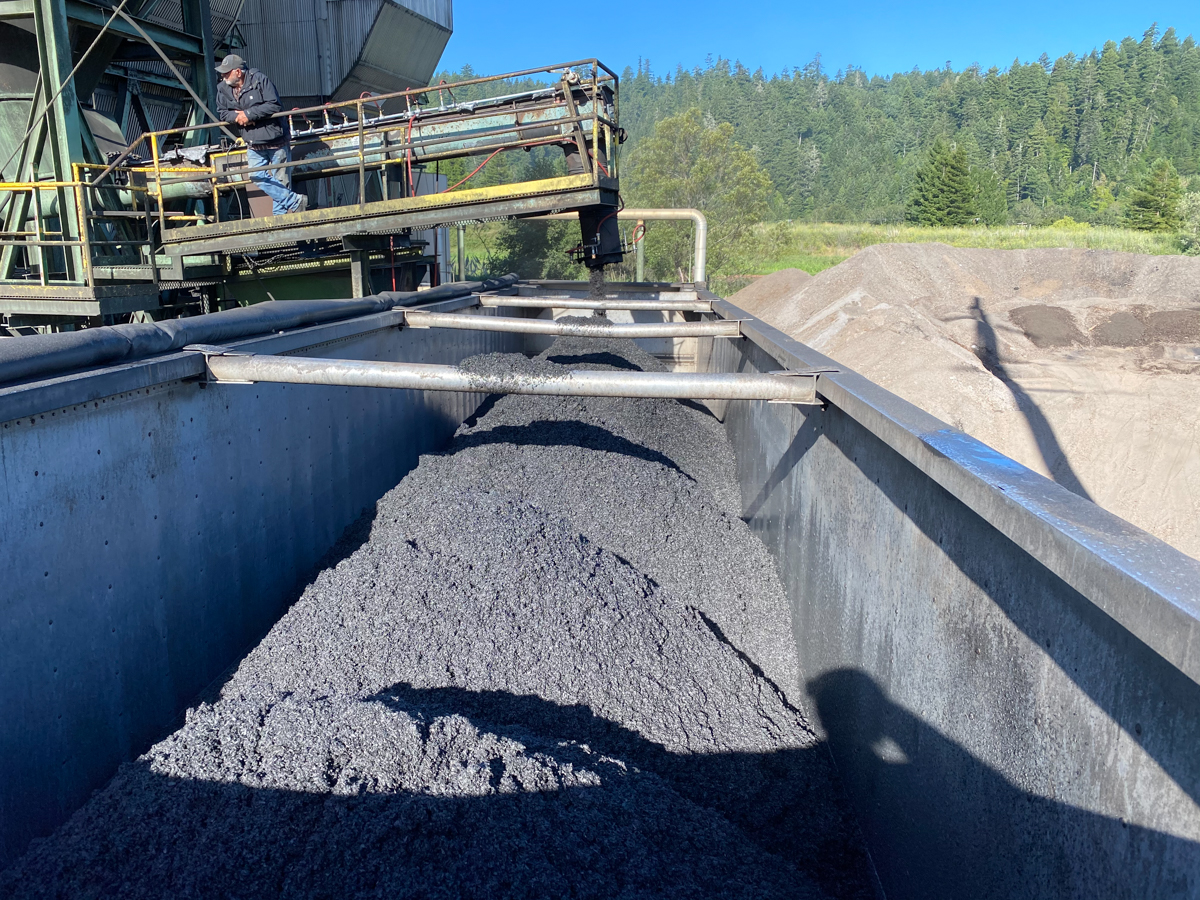
Biochar has emerged as a climate beneficial and productive use of the enormous amounts of woody biomass generated during forest restoration and fuel thinning projects throughout the Western U.S. Throughout the Western U.S., between 4 and 18 million tonnes of non-merchantable woody biomass are produced from forest restoration projects annually. That biomass could create between 1 and 4 million tonnes of biochar and 2 to 11 million carbon credits. These numbers may increase up to 25 times if various state and federal forest management goals are met.
Excerpt from Chapter 2, Annual Woody Biomass Supply and Potential for Coupled Biochar and Carbon Credit Production (bold added):
Large volumes of non-merchantable woody biomass are typically left in the forest after restoration and fuel thinning projects, with much of that material being piled and burned, releasing the stored carbon, and presenting higher management costs to land owners. As the pace and scale of forest restoration increase to meet state and federal goals, the potential supply of this biomass will greatly increase. We further translated these forest slash estimates into the potential amount of biochar and carbon credits which can be made from this biomass without considering the limitation of current biochar production capacity.
Personal note from Josiah Hunt, CEO of Pacific Biochar and report co-author: Micah Elias of Blue Forest Conservation provided the lions share of work, and much credit is due for the extensive time and care he put in to developing this report.
Link to full PDF – Biochar Carbon Credit Analysis – BF Reports 2022